
Exploring the psychology behind winning at casinos What every player should know
The Allure of Casinos: Understanding the Player’s Mindset
Casinos are designed to captivate and engage players, leveraging psychological principles to create an environment that encourages gambling. The thrill of risk, the anticipation of winning, and the sensory overload of sights and sounds all contribute to the psychological allure of casinos. This experience can lead players to make decisions based on emotion rather than logic, often resulting in increased betting and time spent at the tables. Many players may not realize that the best casinos not on GamStop UK can also implement these psychological tactics to enhance their appeal.
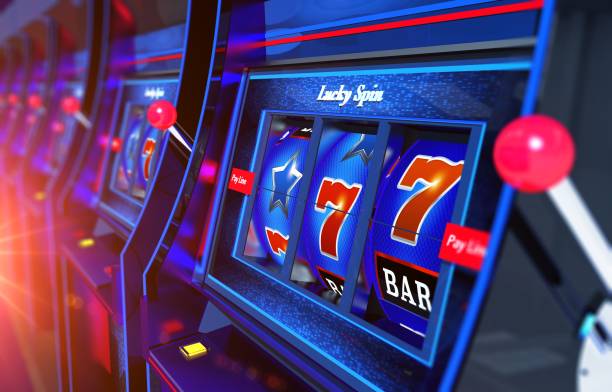
This captivating atmosphere taps into the brain’s reward system, stimulating feelings of pleasure and excitement. Players often find themselves caught in a cycle where they chase the exhilarating highs of winning, sometimes overlooking the odds stacked against them. Understanding this mindset is crucial for players who want to navigate the casino landscape effectively and make informed decisions.
The Role of Cognitive Biases in Gambling
Cognitive biases significantly influence how players perceive their chances of winning at casinos. One common bias is the illusion of control, where players believe they can influence the outcome of a game through their actions or strategies. This belief can lead to reckless behavior as players overestimate their skill and underestimate the house edge.
Another prevalent bias is the gambler’s fallacy, where individuals believe that past outcomes can affect future results. For example, if a player experiences several losses in a row, they may feel that a win is “due,” prompting them to bet larger amounts in hopes of recouping their losses. Recognizing these biases is essential for players seeking to maintain a rational approach to their gambling activities.
Emotional Triggers and Decision Making
The emotional aspect of gambling can’t be overstated. Players often experience a rollercoaster of emotions from excitement and hope to frustration and despair. These emotions can cloud judgment, leading to impulsive decisions that may not align with a player’s best interests. Strategies to manage emotions can help players maintain control and make more rational bets.
Additionally, the presence of wins, regardless of their magnitude, can act as emotional triggers. Small wins can create a false sense of security, encouraging continued play even when losses mount. By learning to recognize and manage these emotional triggers, players can enhance their decision-making process and improve their overall gambling experience.
The Impact of Social Environment on Gambling Behavior
The social environment in which players find themselves can greatly impact their gambling behavior. Casinos often promote a festive atmosphere, which can enhance the enjoyment of gambling and foster a sense of camaraderie among players. This social dynamic can lead to increased betting and a willingness to take risks, as players feed off one another’s excitement.
Conversely, gambling alone can lead to different psychological outcomes. Isolation may increase feelings of desperation or frustration, and players may be more likely to chase losses. Understanding how the social environment affects gambling behavior can help players choose when and where to play, ultimately leading to more satisfying experiences.

Raising Awareness and Responsible Gambling Practices
Knowledge is a powerful tool when it comes to gambling. Being aware of the psychological factors at play can empower players to make better choices. Many casinos and online gambling platforms promote responsible gambling practices, providing resources for players to assess their habits and limit their spending.
Educating oneself about the risks and psychological influences of gambling can lead to a more enjoyable experience while minimizing potential harm. Casinos can foster a culture of responsibility, encouraging players to take breaks, set limits, and seek help if needed. This commitment to responsible gaming not only benefits players but also promotes a healthier gambling environment overall.